
Contaminated Land & Soil Assessment

Asbestos in Soil — Assessment & Remediation

Asbestos can be present in soil as fragments of buried building material, imported fill or the result of past demolition. It is often found unexpectedly during excavation, civil works or development.

Hazclear Environmental provides sampling, delineation and remediation support for asbestos-contaminated soil under the national contaminated-land framework, including unexpected finds and impacted stockpiles.

Request a Quote Call 07 2103 4411
Asbestos in Soil Services

What Hazclear delivers for contaminated soil projects

Asbestos-contaminated soil requires a structured approach from initial identification through to validated remediation. Hazclear provides end-to-end support across sampling, delineation, remediation and validation, aligned with the National Environment Protection (Assessment of Site Contamination) Measure 2013, the Environmental Protection Act 1994 (Qld) and the Environmental Protection Regulation 2019 (Qld)

Soil Sampling

Sampling and laboratory analysis to confirm asbestos in soil and fill.

Delineation

Mapping the extent and depth of contamination across a site.

Remediation Support

Planning and supervision of soil removal or treatment.

Validation

Validation sampling and reporting to confirm the site meets clearance criteria.

When This Service Applies

Where asbestos in soil services are required

Asbestos in soil is most commonly encountered during ground disturbance, development or when dealing with fill of unknown origin. Under the Environmental Protection Act 1994 (Qld), landowners and duty holders have an obligation to notify and manage contaminated land, and the WHS Regulation 2011 (Qld) requires asbestos to be identified and controlled before workers are exposed.
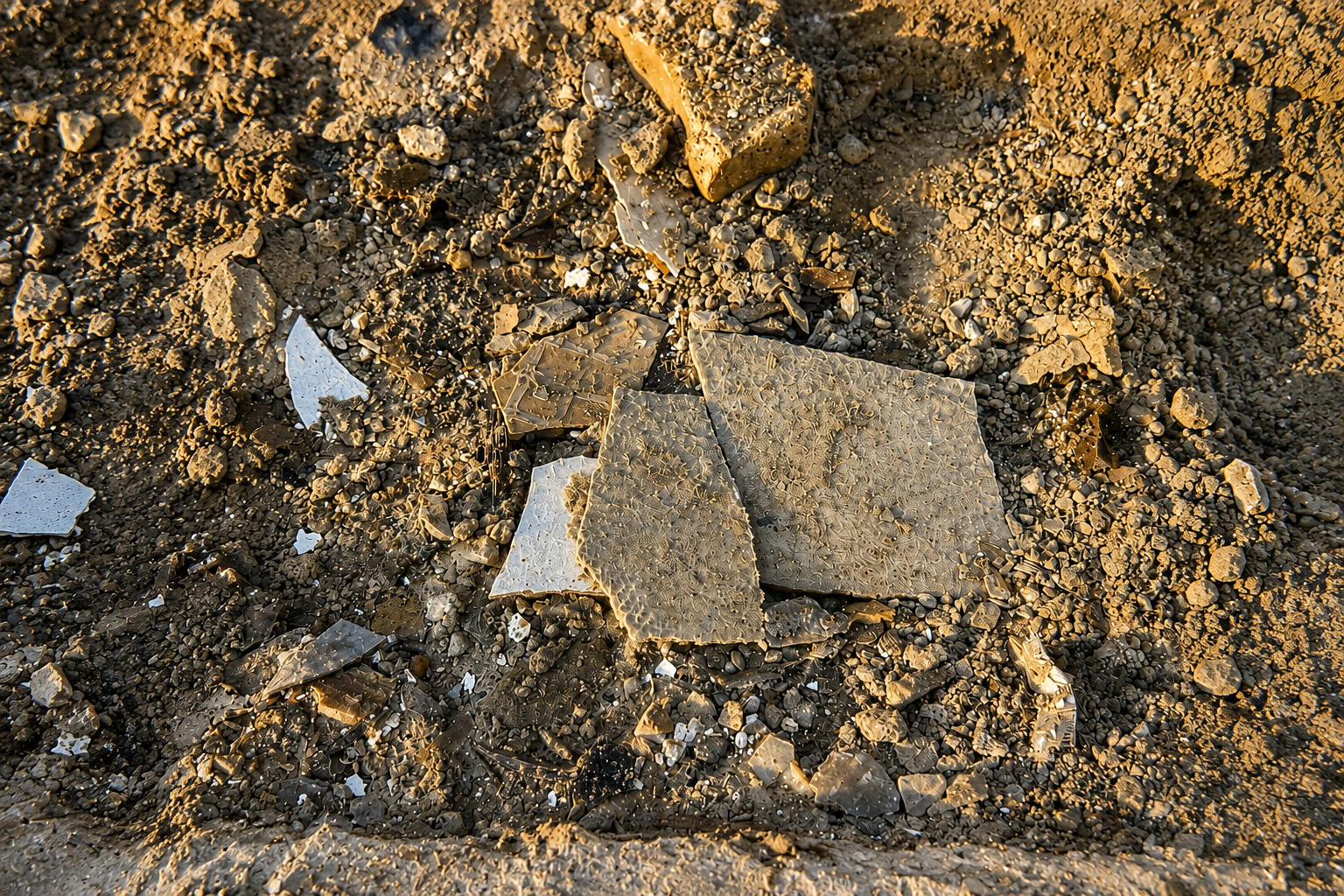
Unexpected Finds

Asbestos uncovered during excavation, trenching or civil works, requiring assessment and a documented response before work can safely resume.

Imported or Suspect Fill

Fill of unknown origin, or sites with a history of demolition or filling, requiring assessment before development.
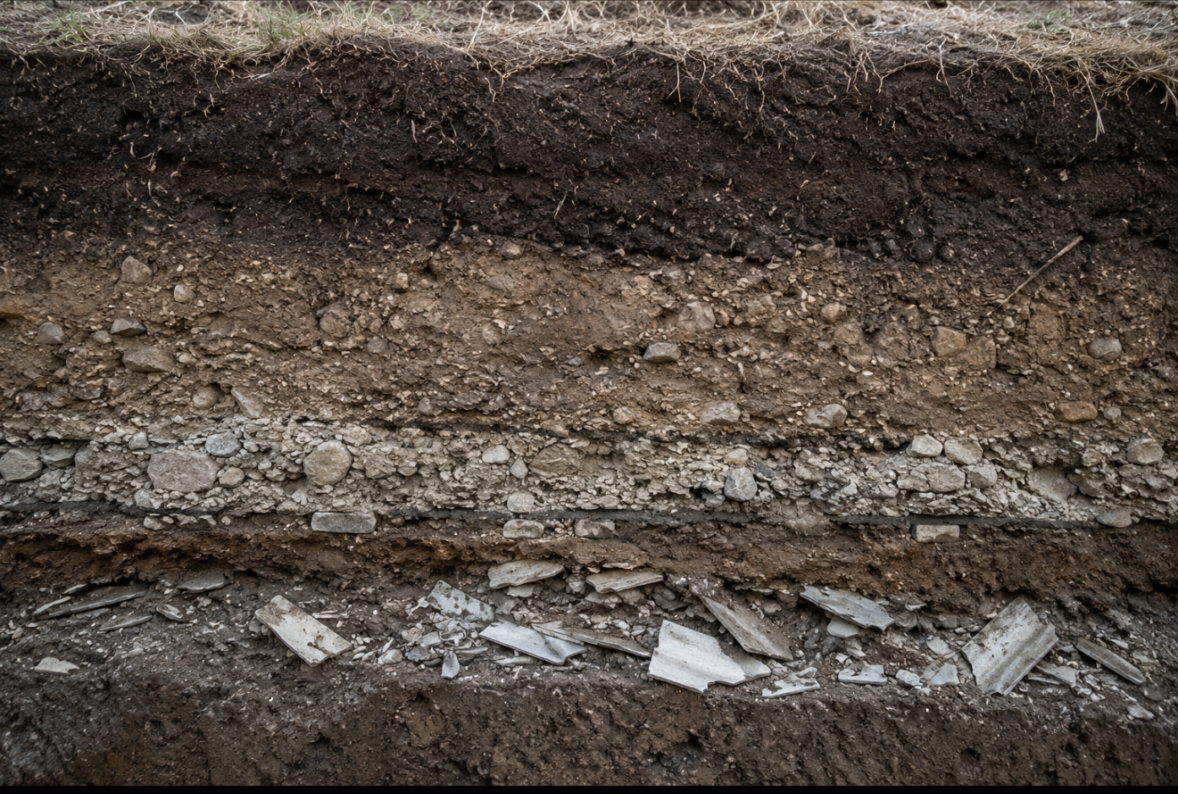
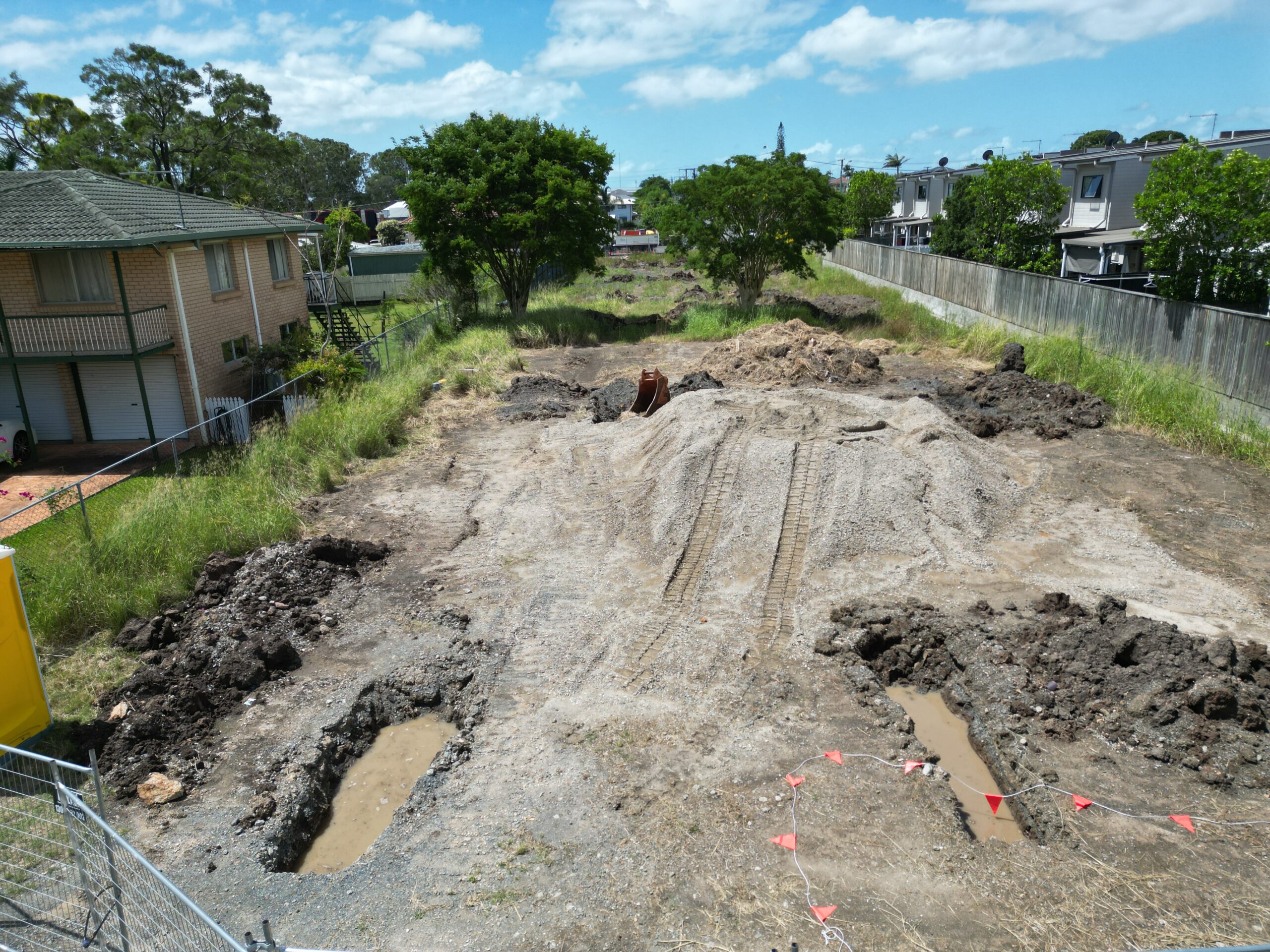
Hazclear Environmental Asbestos in Soil
Development & Due Diligence

Site assessment before subdivision, development approval or sale where contamination is a risk.

Our Soil Assessment Process
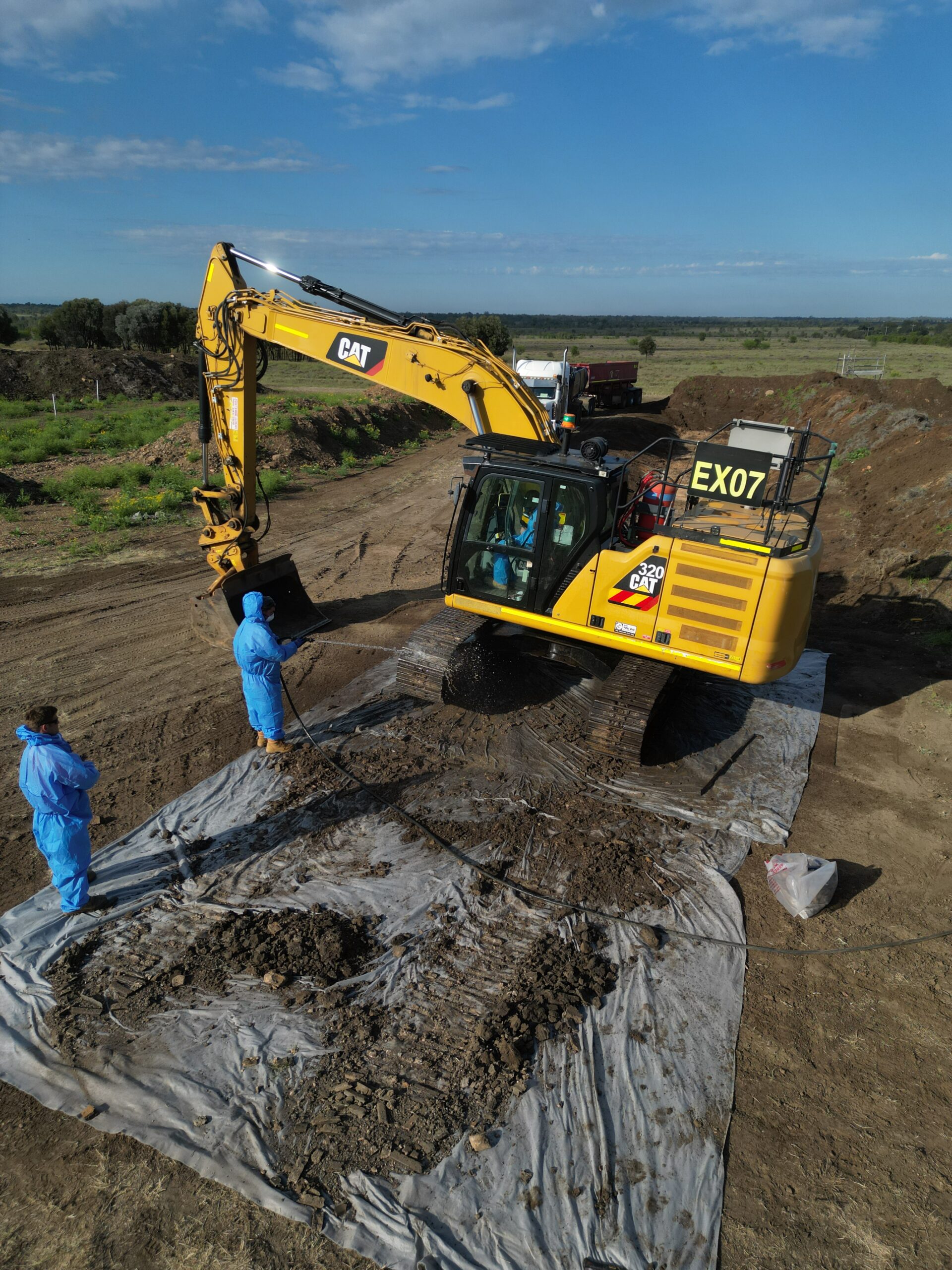
  • We review the site history and develop a sampling plan based on the ASC NEPM 2013 framework
  • We collect soil samples and submit them to a NATA-accredited laboratory for asbestos identification
  • We delineate the extent and depth of contamination across the site and document the findings

Our Remediation Approach

  • We prepare a remediation plan and oversee the removal or treatment of contaminated material
  • We classify all regulated waste and coordinate tracked disposal through facilities licensed under the EPA
  • We carry out validation sampling and provide a closeout report confirming the site meets remediation criteria

Compliance & Legislation

  • Soil assessment follows the National Environment Protection (Assessment of Site Contamination) Measure — ASC NEPM (1999, as amended 2013).
  • Methodology is consistent with the WA Guidelines for the Assessment, Remediation and Management of Asbestos-Contaminated Sites.
  • Workplace handling of contaminated soil follows the WHS Regulation 2011 (Qld) and the asbestos Codes of Practice.
  • Asbestos-contaminated soil is managed as regulated waste under the Environmental Protection Act 1994 (Qld) with tracked disposal.
  • All soil samples are submitted to a NATA-accredited laboratory with full chain of custody documentation.
  • Hazclear holds Environmental Authority No. PEA100505641 for the transport and disposal of regulated waste in Queensland.

Common questions (FAQ)

Asbestos in soil typically originates from demolished or buried building materials, imported fill of unknown origin, historical site use or legacy dumping. It is commonly uncovered during excavation, trenching, civil works or site preparation for development. In many cases the contamination is not visible on the surface and is only identified once ground disturbance begins — which is why preliminary site investigations are recommended before earthworks on pre-2004 sites.

Stop work in the affected area immediately and prevent further disturbance of the material. Restrict access to the area. Under the WHS Regulation 2011 (Qld), asbestos must be identified and managed before workers are exposed. Hazclear can attend site to carry out an unexpected-finds assessment, confirm the material and provide a documented response so works can resume through the correct pathway.

Through a structured sampling and delineation program that maps the lateral and vertical extent of contamination across the site. Samples are analysed by a NATA-accredited laboratory and results are assessed against the relevant criteria set out in legislation. The delineation report gives project teams the information they need to define the remediation scope, estimate disposal volumes and satisfy regulatory and development approval requirements.

Asbestos-contaminated soil is classified as regulated waste under the Environmental Protection Act 1994 (Qld) and must be transported by a licensed carrier to a facility approved to accept asbestos waste. Hazclear coordinates waste classification, transport, tracking and disposal, and provides validation sampling and a closeout report so the project record is complete and audit-ready.

Contact Us

Send through your site details and we will get back to you as soon as possible.